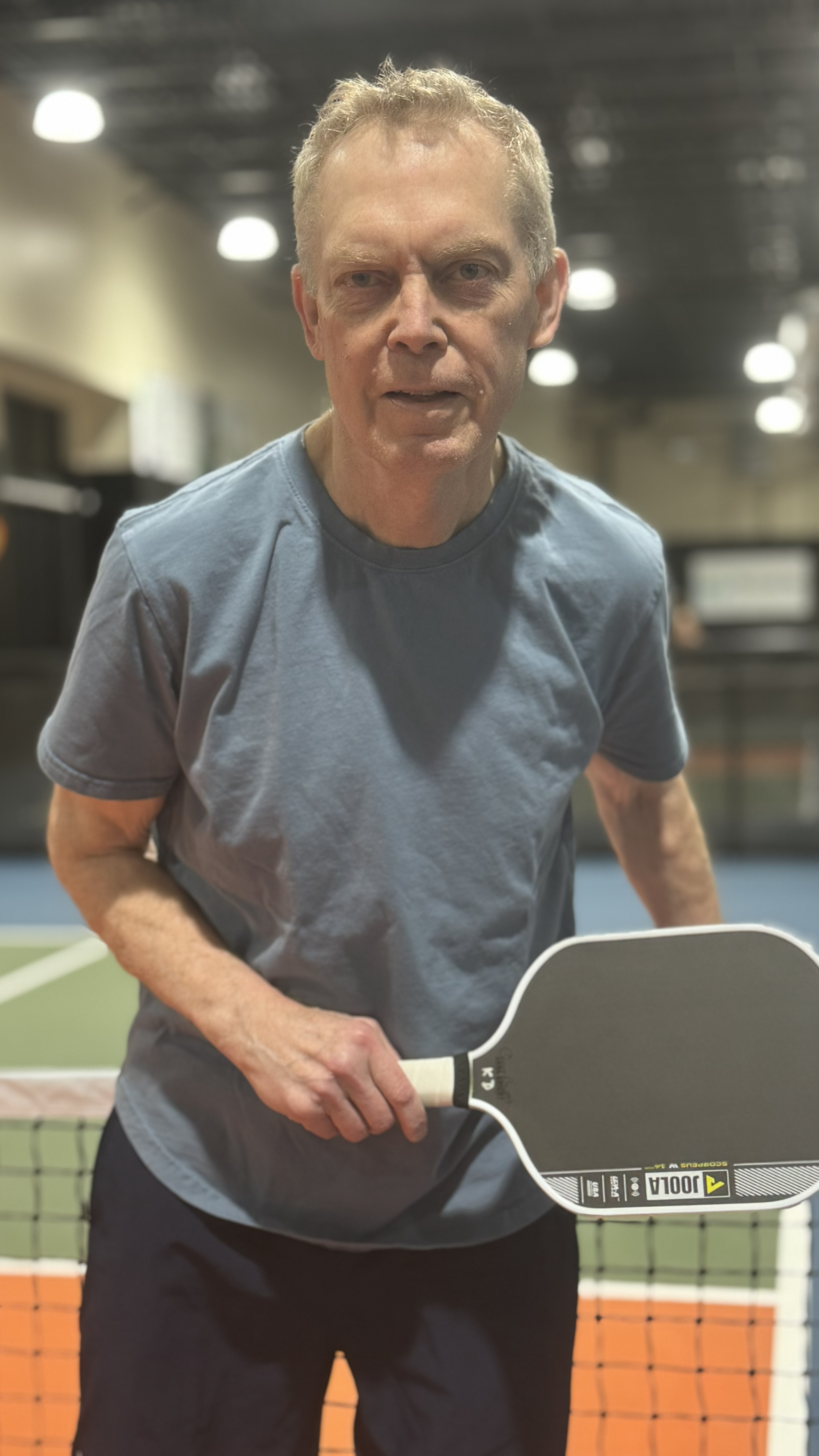
My Parkinson's story started on a bright sunny day in 2014. I had just started on a walk with my wife with the sun at my back. While looking at my shadow in front of me, I noticed that my left arm was not swinging in stride normally. I pointed this out to my wife, and she recommended that I see a doctor to assess the lack of arm swing.
After many tests and neurology exams, it was determined that I had Parkinson's disease. On August 1, 2015 I officially started taking my dopamine medications.
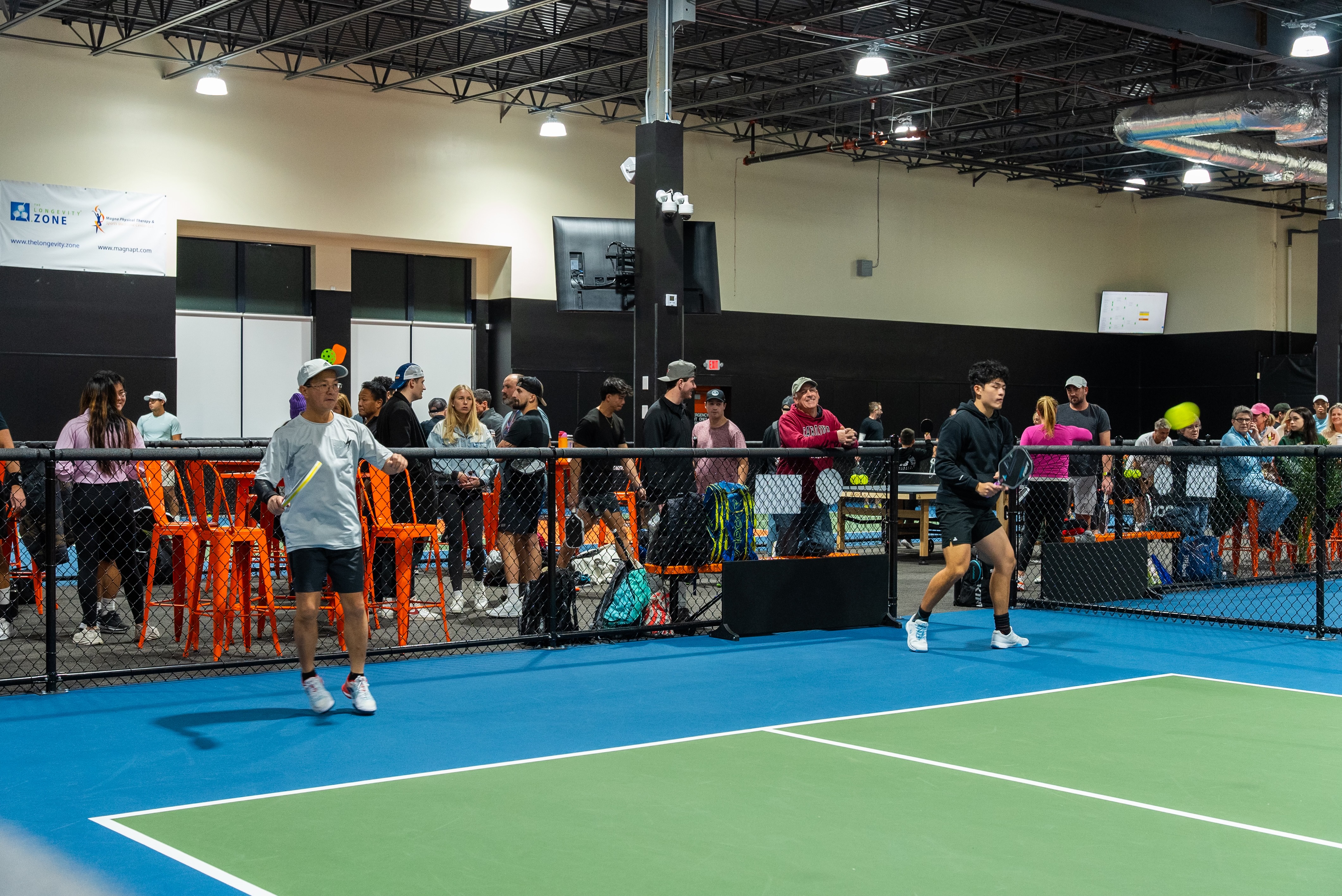
Pickleball for Parkinson's of Connecticut started where so many good things start — on the court, with friends, finding out that the right kind of movement changes everything.
My journey into pickleball began in the summer of 2025. In the midst of recovery from a significant back surgery, I found myself seeking an activity that demanded athleticism and competition. Traditional sports like ice hockey and soccer, which had once been my competitive pursuits, were no longer feasible.
During my recovery, I stumbled upon pickleball — a sport recommended for people with Parkinson's disease that offers a range of competitive levels. Intrigued, I visited the pickleball court a few times and was instantly captivated. Driven by a desire to create a venue for others living with Parkinson's, I founded Pickleball for Parkinson's of Connecticut in 2026.
P4PCT exists to share that experience with others living with Parkinson's in our community — and to channel the energy of the game into research that helps everyone affected by the disease.